Why Is Everyone Talking About Ice Spice Erome? Truth Behind the Buzz
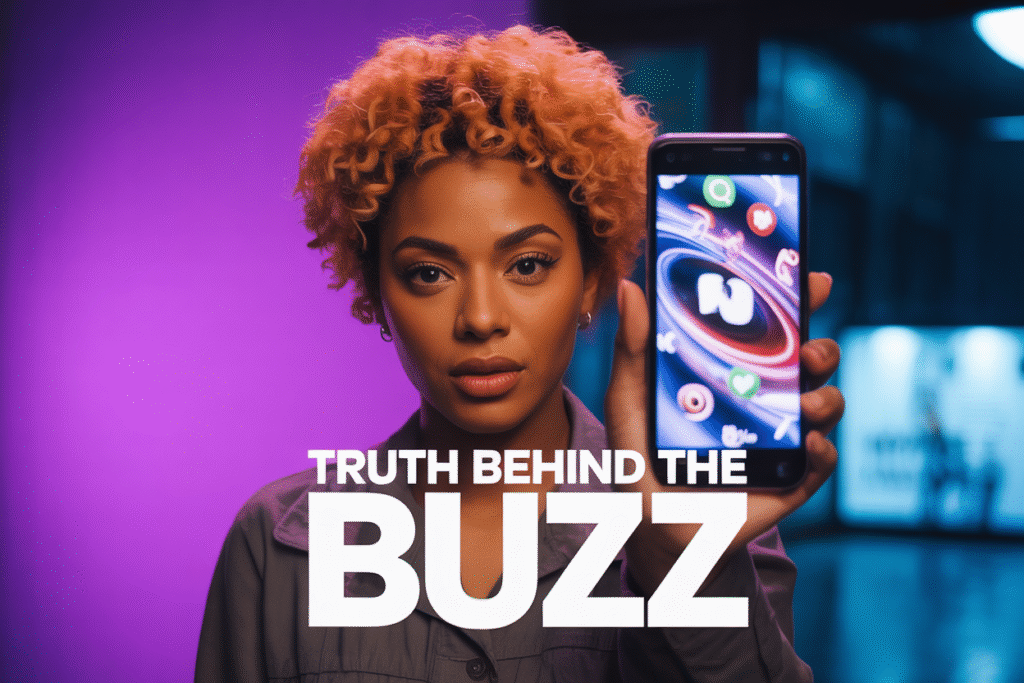
The name “Ice Spice Erome” has been flooding search results and social media feeds, leaving fans and curious internet users scrambling for answers. If you’re wondering what’s behind this sudden surge of online chatter, you’re not alone.
This guide is for Ice Spice fans, social media users, and anyone trying to make sense of the viral buzz surrounding the rapper’s name paired with controversial search terms. We’ll cut through the noise to give you the real story.
We’ll break down who Ice Spice really is and why she’s become such a dominant force in entertainment headlines. You’ll also get the truth about the Erome connection controversy that’s got everyone talking, plus learn how to separate genuine facts from the fiction that spreads like wildfire online. By the end, you’ll understand exactly what’s real and what’s just internet drama.
Who Is Ice Spice and Why She’s Dominating Headlines
Rise from Bronx rapper to mainstream sensation
Ice Spice burst onto the rap scene from the Bronx with an authenticity that immediately caught attention. Born Isis Naija Gaston, she grew up in the same neighborhoods that produced legendary hip-hop artists, giving her street credibility that money can’t buy. Her journey from local talent to global phenomenon happened incredibly fast, but it wasn’t accidental.
What sets her apart is her unique approach to drill rap, blending traditional New York sounds with her own distinctive style. She started posting freestyle videos and original tracks on social media platforms, building a loyal fanbase organically. Her curly orange hair and confident delivery became her signature look, making her instantly recognizable in a crowded field of emerging artists.
The transition from underground artist to mainstream success required strategic moves and perfect timing. Ice Spice positioned herself as the voice of a new generation of Bronx artists, staying true to her roots while appealing to wider audiences. Her authenticity resonates with fans who appreciate genuine storytelling and real experiences reflected in her lyrics.
Breakthrough hits that launched her career
“Munch (Feelin’ U)” became the track that changed everything for Ice Spice. Released in 2022, the song went viral on TikTok and other social platforms, accumulating millions of plays within weeks. The catchy hook and memorable lyrics made it perfect for social media content creation, helping it spread organically across different demographics.
The success of these hits wasn’t just about catchy melodies. Ice Spice proved she could craft songs that spoke to real experiences while being entertaining. Her lyrics touch on relationships, confidence, and street life without falling into tired clichés that plague many emerging artists.
Social media strategy that captivated millions
Ice Spice mastered the art of social media promotion before many established artists understood its power. She used Instagram, TikTok, and Twitter to build direct connections with fans, sharing behind-the-scenes content that made followers feel like insiders. Her posts mix professional music content with personal moments, creating a complete brand experience.
Her TikTok strategy particularly stands out. She didn’t just post her music and hope for the best. Ice Spice engaged with trends, created challenges around her songs, and responded to fan content. This approach turned casual listeners into dedicated supporters who actively promote her music.
The visual component of her social media presence is equally important. Her consistent aesthetic, featuring her signature orange curls and bold fashion choices, makes her content instantly recognizable. This visual branding helps her stand out in crowded social media feeds and creates memorable impressions.
Celebrity endorsements and collaborations
High-profile collaborations accelerated Ice Spice’s rise to mainstream recognition. Working with established artists like Nicki Minaj on “Princess Diana” introduced her to massive new audiences. These partnerships weren’t just about featuring on tracks – they represented validation from respected industry veterans.
Drake’s public support and social media endorsements gave her credibility that opened doors throughout the music industry. When established superstars publicly praise emerging artists, it signals to the entire industry that this person deserves attention. These endorsements translate into booking opportunities, media coverage, and streaming platform promotion.
The collaboration strategy goes beyond music. Ice Spice has worked with fashion brands and appeared at high-profile events, expanding her influence beyond hip-hop circles. These partnerships help build her brand as a complete entertainer, not just a rapper, positioning her for long-term success across multiple industries.
Understanding the Erome Connection Controversy
What Erome platform represents in digital culture
Erome operates as an adult content platform where users can share explicit photos and videos, similar to other platforms in the adult entertainment space. The site has gained recognition for its user-generated content model, allowing creators to upload material directly to their profiles. Unlike mainstream social media platforms, Erome specifically caters to adult audiences and content that would typically be restricted elsewhere.
The platform represents a shift in how adult content gets distributed online. Instead of relying solely on traditional adult entertainment companies, Erome empowers individual creators to build their own audiences and monetize their content. This democratization of adult content creation has made it easier for people to enter the industry independently.
Digital culture has embraced these platforms as legitimate spaces for adult expression and entrepreneurship. Many content creators view sites like Erome as viable business opportunities, building substantial followings and income streams through their uploads.
Alleged content and claims circulating online
Online discussions surrounding “ice spice erome” have sparked widespread speculation about potential content featuring the popular rapper on the platform. These claims typically surface through anonymous social media posts, forum discussions, and unverified screenshots that users share across various platforms.
The allegations range from suggestions that explicit content exists to completely fabricated stories about Ice Spice’s involvement with the platform. Many of these claims lack credible sources or verifiable evidence, yet they continue to circulate and gain traction among curious internet users.
Social media amplifies these unsubstantiated rumors through:
- Anonymous accounts making bold claims without proof
- Clickbait headlines designed to generate traffic
- Fan communities discussing and debating the allegations
- Meme culture that transforms serious allegations into viral jokes
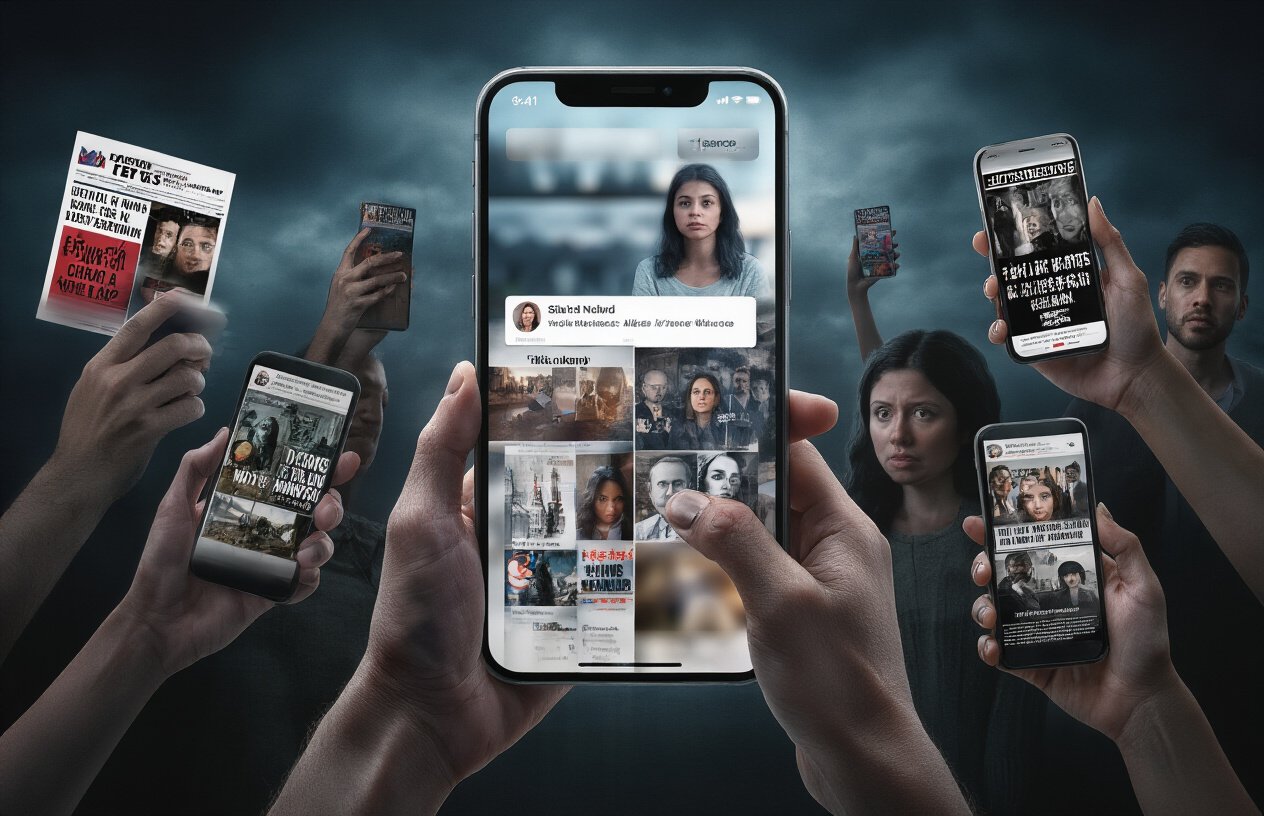
How misinformation spreads through social media
Social media platforms create perfect conditions for misinformation to flourish and reach massive audiences within hours. The combination of algorithm-driven content delivery and user engagement patterns means controversial or shocking claims often receive more visibility than factual reporting.
Several factors contribute to rapid misinformation spread:
Engagement-driven algorithms prioritize content that generates strong reactions, comments, and shares. Controversial claims about celebrities naturally trigger these engagement patterns, causing platforms to show the content to even more users.
Echo chambers form when users primarily interact with others who share similar interests or beliefs. Within fan communities or gossip circles, unverified claims can quickly become accepted as truth without proper fact-checking.
Speed over accuracy characterizes much of social media culture. Users often share content immediately after seeing it, without taking time to verify the information or check reliable sources.
Visual manipulation has become increasingly sophisticated, making it easier to create convincing fake screenshots, doctored images, or misleading video clips that support false narratives.
The viral nature of social media means that even when false information gets debunked, the original misinformation often continues circulating, reaching new audiences who missed the corrections.
Separating Facts from Fiction in Viral Claims

Verified Information Versus Unsubstantiated Rumors
The internet moves fast, and claims about celebrities spread even faster. When stories about Ice Spice Erome surface online, the first step should always be checking the source. Verified information comes from reputable news outlets, official social media accounts, and documented evidence. Unsubstantiated rumors typically originate from anonymous forums, unverified social media accounts, or clickbait websites.
Real verification involves cross-referencing multiple credible sources. Major entertainment outlets like Entertainment Weekly, Rolling Stone, or Billboard have editorial standards and fact-checking processes. Social media posts from unknown accounts or websites with suspicious domain names should raise red flags. Screenshots can be easily manipulated, and out-of-context clips create false narratives.
The key difference lies in accountability. Verified sources stake their reputation on accuracy, while rumor mills thrive on engagement regardless of truth. When evaluating claims, look for timestamps, original sources, and corroborating evidence from multiple independent outlets.
Impact of Deepfakes and Manipulated Content
Technology has made creating fake content incredibly sophisticated. Deepfake videos can now convincingly place someone’s face on another person’s body, while AI-generated images look increasingly realistic. These tools have become accessible to average users, not just tech experts.
Manipulated content targeting celebrities often includes:
- Face-swapped videos using deepfake technology
- Photoshopped images that blend real photos with fabricated scenarios
- Audio clips using voice synthesis technology
- Fake social media screenshots created with simple editing tools
Detection requires careful observation. Deepfakes often show inconsistencies in lighting, facial expressions that don’t match natural movement patterns, or audio that doesn’t sync perfectly with lip movements. However, as technology improves, these tells become harder to spot.
The psychological impact goes beyond the immediate victim. When audiences can’t distinguish real from fake content, trust in all media decreases. This creates an environment where both real accountability and false accusations lose their power.
Why Celebrities Become Targets for False Narratives
Public figures face unique vulnerabilities that make them attractive targets for fabricated stories. Their high visibility means false content reaches larger audiences faster. The parasocial relationships fans develop create emotional investment that drives engagement, whether the content is positive or negative.
Celebrity culture thrives on scandal and controversy. Audiences consume shocking stories about their favorite stars, creating a market demand for increasingly sensational content. When real scandals aren’t available, some content creators manufacture them.
Several factors make celebrities particularly vulnerable:
- Public Image Investment: Their careers depend on reputation, making them more likely to respond to false claims
- Limited Legal Resources: Despite wealth, celebrities can’t pursue every false claim due to time and jurisdictional constraints
- Existing Fan Conflicts: Rival fandoms sometimes create and spread false content about competing artists
- Search Engine Optimization: Celebrity names generate clicks, making them valuable for ad revenue
The attention economy rewards engagement over accuracy. A false story about a celebrity can generate millions of views, shares, and comments, creating financial incentives for bad actors to continue producing fabricated content.
Legal Implications of Spreading Unverified Content
Sharing false information about public figures carries real legal consequences, though prosecution varies by jurisdiction and circumstances. Defamation laws protect individuals from false statements that damage their reputation, but proving intent and damages can be challenging.
Different platforms have varying levels of protection under Section 230 of the Communications Decency Act, which shields platforms from liability for user-generated content while allowing them to moderate as they see fit. However, original creators of false content don’t enjoy these protections.
Legal consequences can include:
| Type of False Content | Potential Legal Action | Typical Penalties |
|---|---|---|
| Fabricated intimate images | Criminal charges, civil lawsuits | Fines, imprisonment, damages |
| False criminal accusations | Defamation, criminal charges | Monetary damages, legal fees |
| Manipulated evidence | Fraud, defamation | Civil liability, potential criminal charges |
| Impersonation | Identity theft, fraud | Varies by state/country |
Even sharing false content created by others can result in legal action. Courts have held that knowingly spreading false information, especially when it causes measurable harm, can make sharers liable for damages.
The global nature of social media complicates enforcement. Content created in one country and shared in another involves multiple legal systems. However, major platforms increasingly cooperate with law enforcement and civil attorneys pursuing false content cases, especially those involving non-consensual intimate imagery or serious criminal accusations.
The Psychology Behind Viral Celebrity Scandals

Why audiences crave controversial content
Human psychology has a built-in fascination with drama and controversy. When stories like those surrounding ice spice erome surface, they tap into our most primitive instincts for gossip and social information. Our brains are wired to pay attention to scandalous content because it historically helped our ancestors survive by understanding social dynamics and potential threats within their communities.
This craving goes deeper than simple curiosity. Controversial celebrity content provides a safe way to experience excitement and moral outrage without personal consequences. People get an adrenaline rush from consuming dramatic stories while feeling superior to the celebrities involved. The anonymity of online consumption makes it even more appealing – audiences can indulge their voyeuristic tendencies without social judgment.
Celebrity scandals also serve as modern-day morality plays. They allow people to discuss complex topics like sexuality, fame, and personal responsibility through the lens of someone else’s life. This creates a psychological distance that makes uncomfortable conversations more palatable.
How clickbait headlines drive engagement
Digital platforms have perfected the art of exploiting human curiosity through carefully crafted headlines. Phrases like “Truth Behind the Buzz” or “What Everyone’s Really Talking About” create information gaps that our brains desperately want to fill. This phenomenon, known as the curiosity gap, makes clicking almost irresistible.
Clickbait headlines work by triggering specific emotional responses:
- Fear of missing out (FOMO) – Headlines suggesting exclusive information
- Shock value – Provocative statements that demand attention
- Ambiguity – Vague promises that require clicking to understand
- Social proof – Claims about what “everyone” is discussing
The most effective headlines combine multiple psychological triggers. They might use numbers (“5 Shocking Facts”), create urgency (“Before It’s Too Late”), or promise insider knowledge (“What They Don’t Want You to Know”).
Role of algorithms in amplifying sensational stories
Social media algorithms are designed to maximize user engagement, not truth or quality. They analyze countless data points to determine what content keeps people scrolling, clicking, and sharing. Controversial stories consistently perform well on these metrics, creating a feedback loop that amplifies sensational content.
These algorithms don’t distinguish between positive and negative engagement. A story generating outrage gets the same algorithmic boost as one creating joy. Comments, shares, and even angry reactions all signal to the system that content is “engaging,” pushing it to more users.
The speed at which algorithms operate means misinformation can spread faster than fact-checkers can respond. Within hours, a rumor can reach millions of users across multiple platforms. Each share and comment increases the story’s perceived credibility, even when the original claims lack substance.
Platform algorithms also create echo chambers where sensational content finds audiences already primed to believe and share it. This targeted distribution makes controversial stories seem more widespread and credible than they actually are, creating artificial consensus around unverified claims.
How This Buzz Affects Ice Spice’s Career and Brand

Impact on her music streaming numbers
The viral spread of Ice Spice Erome content has created a double-edged sword for the rapper’s streaming performance. While controversy often drives curiosity and can boost engagement metrics, the nature of these claims puts her music in a precarious position. Spotify and Apple Music data typically shows immediate spikes during celebrity scandals as users search for the artist’s content to satisfy their curiosity.
Recent weeks have seen her streaming numbers fluctuate dramatically. Some tracks experienced sudden surges as new audiences discovered her music through the controversy, while others faced playlist removals and reduced algorithmic promotion. The streaming platforms’ content policies create additional complications, as association with adult content can trigger shadow-banning algorithms that limit reach.
Radio play has also shifted noticeably. Several major stations implemented temporary holds on her tracks while monitoring public sentiment. This cautious approach reflects how traditional media outlets navigate celebrity controversies, prioritizing brand safety over potential engagement benefits.
Brand partnerships and endorsement deals at risk
Corporate partnerships represent Ice Spice’s most vulnerable revenue stream during this controversy. Major brands invested millions in her rising star power, but the Erome connection threatens these carefully negotiated deals. Fashion houses, beverage companies, and tech brands have specific morality clauses built into their contracts.
Several partnerships are reportedly under review, with legal teams examining contract language around reputation and public image. The beauty industry, where she holds lucrative deals, faces particular pressure from conservative consumer bases who might boycott products associated with scandal.
| Partnership Type | Risk Level | Likely Response |
|---|---|---|
| Fashion brands | High | Temporary suspension |
| Beauty products | Critical | Contract review |
| Streaming platforms | Medium | Continued monitoring |
| Tech companies | High | Distance from controversy |
Fan loyalty versus public perception shifts
Ice Spice’s fanbase demonstrates remarkable resilience, but cracks are beginning to show. Core supporters actively defend her on social media, creating trending hashtags and counter-narratives. However, casual listeners and newer fans show more volatility in their support.
Demographic analysis reveals interesting patterns. Younger fans (ages 16-24) largely dismiss the controversy as irrelevant to her artistry, while older demographics express more concern about her image. This generational divide reflects broader cultural attitudes toward privacy and celebrity scandals.
Social media engagement tells a complex story. While negative comments increased, overall interaction rates remain steady. Fan communities have mobilized to flood her posts with positive messages, creating an artificial buffer against criticism. This coordinated support demonstrates the power of dedicated fanbases but also highlights the manufactured nature of online sentiment.
Strategic responses from her management team
Her management company has adopted a multi-pronged approach combining legal action, PR damage control, and strategic silence. The team immediately engaged digital reputation management firms to monitor online mentions and suppress harmful content where possible.
Legal representatives sent cease-and-desist letters to major content aggregators sharing unverified claims. This aggressive stance signals their intent to fight misinformation while protecting her brand value. However, the Streisand effect means these legal actions sometimes amplify the very content they aim to suppress.
The PR strategy focuses on redirecting attention toward her upcoming projects and charitable work. Strategic leaks about new music releases and high-profile collaborations aim to shift media narratives. Her team also coordinated with friendly media outlets to publish positive pieces highlighting her professional achievements and community contributions.
Crisis management experts suggest her team’s response balances transparency with privacy protection. Rather than complete silence or over-explanation, they’ve chosen measured statements that acknowledge the situation without validating false claims.
Protecting Your Digital Reputation in the Age of Viral Misinformation

Lessons other celebrities can learn
Celebrity scandals spread faster than wildfire in today’s digital landscape, and the Ice Spice Erome situation offers valuable insights for public figures navigating online controversies. Smart celebrities now maintain dedicated crisis communication teams that monitor mentions across all platforms, not just mainstream social media. They understand that silence often gets interpreted as guilt, while premature responses can backfire spectacularly.
The most successful celebrities have learned to control their narrative by addressing rumors quickly but thoughtfully. They craft responses that acknowledge the situation without feeding the controversy machine. Building strong relationships with credible media outlets before problems arise creates opportunities for balanced coverage when scandals break.
Many celebrities now employ digital forensics experts who can quickly verify or debunk compromising content. This technical approach helps separate legitimate concerns from manufactured drama. Regular reputation audits also help identify potential vulnerabilities before they become public relations nightmares.
Importance of fact-checking before sharing content
Social media users bear responsibility for the misinformation they spread, even unintentionally. The Ice Spice Erome controversy demonstrates how quickly unverified claims can damage reputations and careers. Before sharing any celebrity-related content, especially scandalous material, take time to verify sources and cross-reference information.
Reverse image searches can reveal whether photos have been manipulated or taken from different contexts. Checking timestamps, examining metadata, and looking for original sources helps distinguish authentic content from fabricated material. Reliable fact-checking websites like Snopes, PolitiFact, or industry-specific verification services provide valuable resources.
Users should question sensational headlines designed to generate clicks rather than inform. If something seems too shocking or perfectly timed to be true, it probably deserves extra scrutiny. Waiting 24-48 hours before sharing controversial content allows time for proper verification and often reveals whether claims have legitimate backing.
Building authentic online presence strategies
Authenticity becomes the best defense against misinformation campaigns. Celebrities who maintain genuine, consistent online personas make it harder for false narratives to take root. Regular, authentic content creation establishes a baseline that makes manufactured controversy stand out as suspicious.
Direct communication with fans through verified channels creates trusted information sources that can counter false narratives quickly. Live streams, verified social media posts, and official statements carry more weight when celebrities have established patterns of honest communication.
Diversifying platform presence prevents over-reliance on single channels that might be compromised or restricted. Having strong presences across multiple verified platforms ensures messages reach audiences even when individual platforms face issues. Professional social media management that maintains consistent voice and values helps build lasting trust with audiences who can distinguish authentic content from imposters or manipulated material.

Ice Spice’s meteoric rise to fame has made her a target for viral misinformation, with the Erome controversy being a prime example of how quickly false claims can spread online. The reality is that most of these buzzing stories lack credible evidence, yet they continue to capture public attention because of our fascination with celebrity scandals. Understanding the psychology behind why we’re drawn to these controversies helps explain how unverified claims gain traction so quickly across social media platforms.
The Ice Spice Erome situation serves as a perfect case study for why both celebrities and everyday people need to be more vigilant about their digital footprints. While this controversy might create temporary noise, Ice Spice’s authentic talent and strategic career moves will likely outlast any manufactured drama. The key takeaway here is simple: always fact-check viral claims before sharing them, and remember that protecting your own online reputation starts with being mindful of what you post and share.